
Subtotal $0.00
The Role of Pediatric Care in Promoting Recovery and Development in Georgia
Your child came home from the hospital. Now the real work begins.Georgia families often tell us the same thing. The hospital had a plan. Home has questions. Who watches the oxygen levels at 2 a.m.? Who helps your child learn to eat again? Who tells you if a cough is normal? Pediatric care answers those questions. This guide explains how it works, what it covers, and how Georgia families can get it.
What does pediatric care actually do for recovery?
Pediatric care is health support built around a child’s body and stage of life. Children are not small adults. Their lungs, muscles, and brains are still growing. A treatment that suits a 40 year old can harm a 4 year old. Good care does three jobs at once:
- It treats the illness or injury.
- It prevents setbacks, like infections or readmission.
- It protects normal growth while the child heals.
How does care at home change recovery?
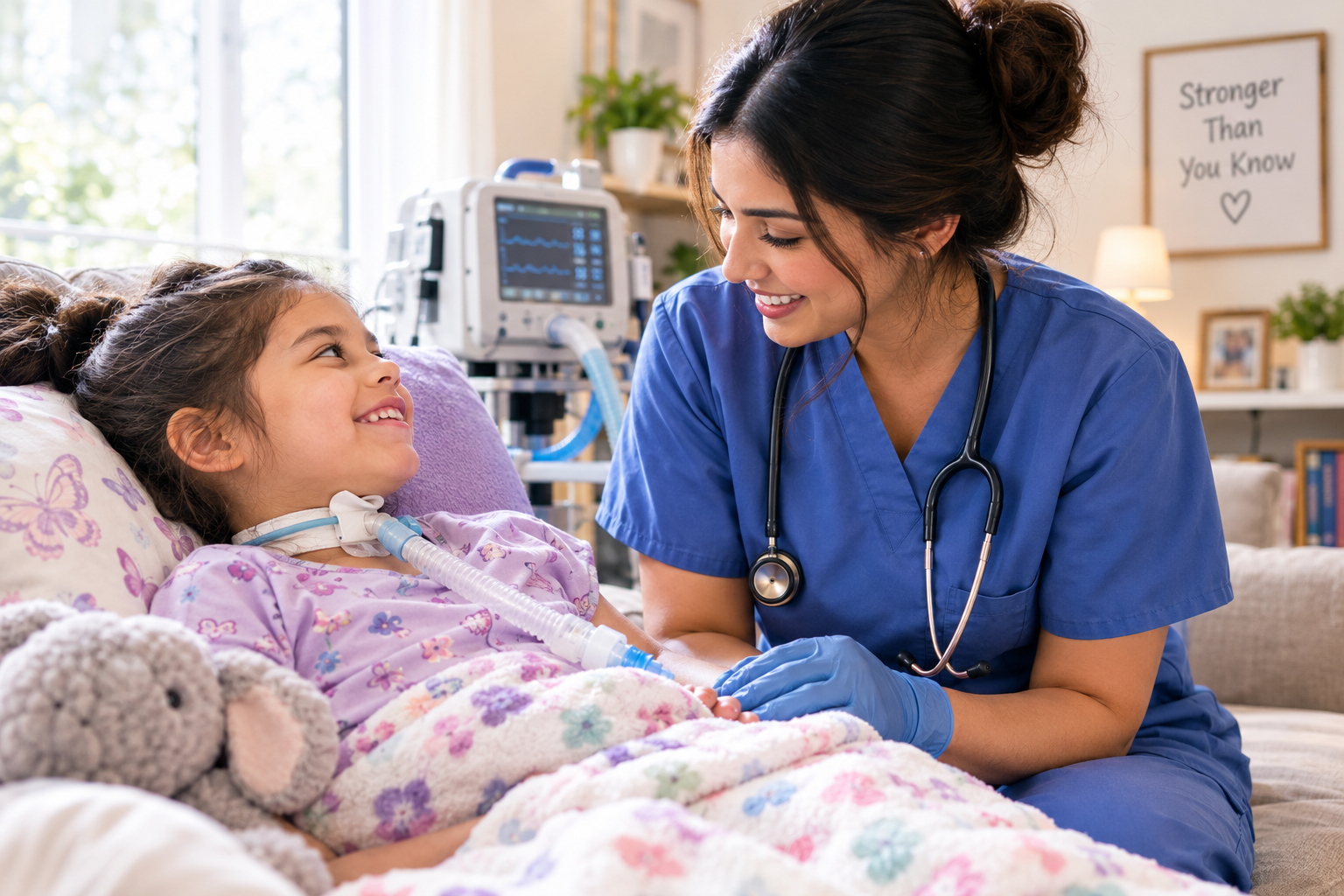
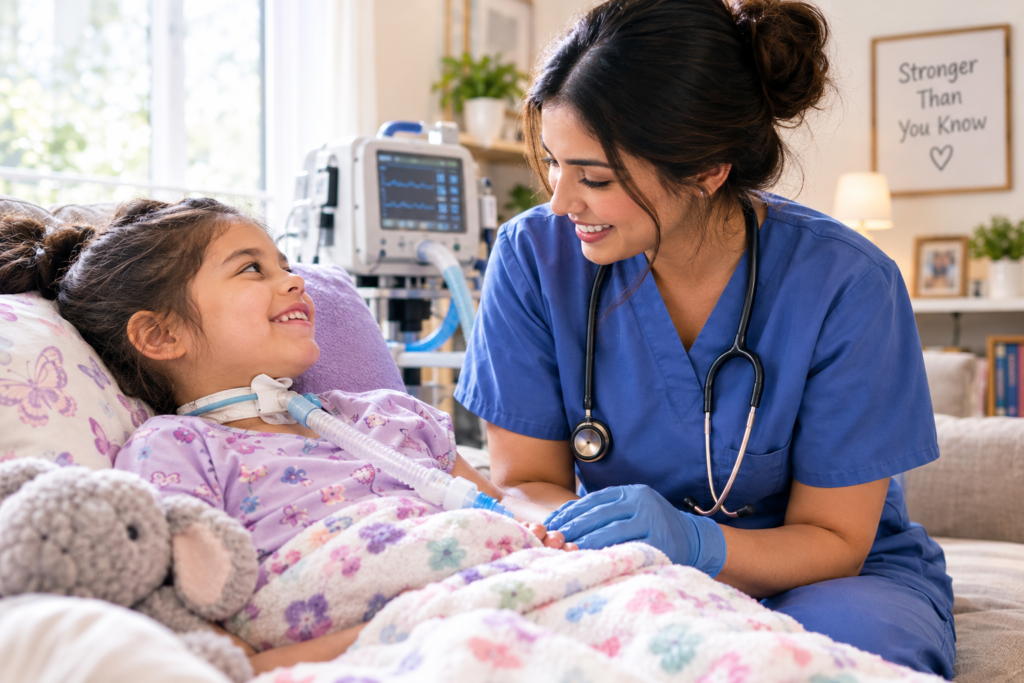
Home is where most children heal best. Familiar rooms, family voices, and regular routines lower stress. Lower stress helps sleep, appetite, and mood.A pediatric nurse at home can handle tasks such as:
- Tracheostomy care and suctioning
- Ventilator and oxygen checks
- Feeding tube care and formula schedules
- Medication timing and dose checks
- Seizure watching and response
- Wound and line care after surgery
What is a medically fragile child?
A medically fragile child has a serious, long lasting health condition. The child often needs daily nursing tasks or medical equipment to stay safe. Examples include chronic lung disease, heart conditions, neuromuscular disorders, and severe seizure disorders.In Georgia, many of these families look to the Georgia Pediatric Program, known as GAPP. It supports eligible children under 21 who need skilled care at home. Ask your child’s doctor or care manager whether your child may qualify.
How does pediatric care support development?
Recovery and development go together. A child heals while still learning to roll, talk, play, and read. Strong care plans include more than nursing. They often connect families with:
- Physical therapy for strength, balance, and movement
- Occupational therapy for feeding, dressing, and fine motor skills
- Speech therapy for language and swallowing
- Early intervention for infants and toddlers
For children from birth to age 3, Georgia runs Babies Can’t Wait. This state program offers developmental screening and services. Families can refer a child directly. A doctor’s referral is not required.Older children may receive school based support. An Individualized Education Program, called an IEP, lays out what the school will provide. A nurse who knows your child can help write the health part of that plan.
What are the signs a child needs more support at home?
Some signs are clear. Others build slowly. Watch for these:
- Frequent trips to the emergency room
- Parents doing nursing tasks around the clock
- Missed therapy because no one can drive
- A caregiver who feels worn out or sick
- A child who has stopped gaining skills
Why does where you live in Georgia matter?
Care looks different in Atlanta than in Valdosta. Metro Atlanta families live near large children’s hospitals, including Children’s Healthcare of Atlanta. Savannah families can turn to the children’s hospital at Memorial Health. Augusta families have the Children’s Hospital of Georgia.Rural families face a harder path. A specialist visit might mean a two hour drive. Home nursing and telehealth cut some of those trips. Ask your care team which follow up visits can happen by video.
Georgia weather also shapes care:
- Spring pollen can trigger breathing trouble. Atlanta often ranks high for pollen counts.
- Summer heat raises dehydration risk, especially for children with feeding tubes or limited mobility.
- Hurricane season matters most on the coast. Families with ventilators need a power plan before a storm is named.
How do I plan for a power outage or storm?
Plan before you need it. Do these steps:
- Tell your power company your child uses medical equipment.
- Charge backup batteries monthly.
- Keep a three day supply of medicine, formula, and supplies.
- Write down your hospital route and a second route.
- Know where the nearest shelter with power is.
Who is on a strong pediatric care team?
No single person does it all. A solid team often includes:
- Your child’s pediatrician
- Medical specialists
- A registered nurse or licensed practical nurse
- Therapists
- A care coordinator or case manager
- You, as the expert on your child
What results can families expect?
Every child is different. No provider can promise a specific outcome. What families can expect is steady support, fewer surprises, and more time to be a parent instead of a full time nurse.Many families report better sleep, calmer routines, and fewer emergency visits once skilled help is in place. Children often show more energy and engagement when they feel safe and rested.