
Subtotal $0.00
Signs Your Child Needs Home Health Nursing
Every parent knows their child better than any chart or checklist. Still, medical needs can grow slowly. A cough turns into constant breathing trouble. A feeding problem turns into daily struggles. At some point, you may wonder if your child needs more support than you can give alone. More than 14 million children in the United States live with special health care needs, according to the National Survey of Children’s Health. That is close to one in five kids nationwide. You are not alone in asking these questions, and help is closer than most parents realize.
What Home Health Nursing Really Means
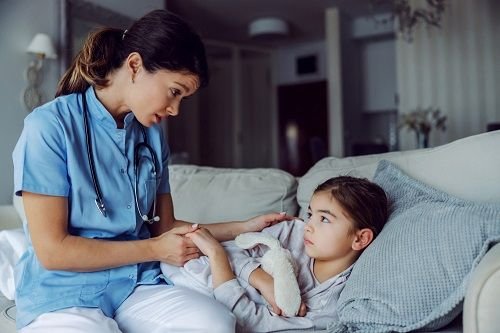
Home health nursing brings skilled medical care into your living room instead of a hospital ward. A licensed nurse manages tasks like tube feedings, breathing treatments, medication schedules, and wound care right at home. This is different from a babysitter or a family friend helping out. A home health nurse holds a real license. She tracks vital signs. She knows what a small change in your child’s breathing or color actually means. Two common service types exist. Skilled nursing visits are short, scheduled check ins. Private duty nursing covers longer shifts, sometimes around the clock, for kids with more complex needs.
Signs Your Child Needs Home Health Nursing
Watch for these patterns closely. Any one of them is worth a conversation with your pediatrician. Frequent hospital stays are one of the strongest signals. If your child bounces between the ER and home every few weeks, nurses at home can catch problems before they turn into another admission. Breathing support needs matter just as much. A child on a ventilator, oxygen, or with a tracheostomy needs trained hands nearby at all times, since small tube blockages or oxygen drops can turn serious fast. Feeding tube or IV nutrition also raises the stakes. G-tubes, J-tubes, and central lines all carry infection risk, and a trained nurse checks the site, flushes the line correctly, and spots early warning signs before they grow worse.
Seizure activity that is hard to predict is another common trigger. Kids with epilepsy or seizure disorders often need someone trained in rescue medication close by, not just a general caregiver. Complex medication schedules add further risk, since some children take six, eight, or more medications a day, timed to the hour, and missed doses or wrong combinations carry real danger. Finally, skin and wound care deserves attention too. Pressure sores, surgical wounds, or ostomy care need regular, skilled attention to heal properly and avoid infection.
What Is the Difference Between Skilled Nursing Visits and Private Duty Nursing?
Skilled nursing visits are short appointments, often 30 to 90 minutes, for specific tasks like wound checks or medication teaching. Private duty nursing means a nurse stays for extended shifts, sometimes 8, 12, or 24 hours, to manage ongoing complex care. Your child’s doctor usually recommends which type fits best.
Behavior and Development Signs Parents Often Miss
Not every sign is physical. Some show up in mood or milestones. A child who seems constantly tired, even after normal sleep, may be working harder to breathe or fight infection than it appears. Falling behind on speech, movement, or social milestones can point to an underlying condition that needs more structured support than school or daycare alone can offer.
Parents also report burnout as a hidden sign. If managing your child’s care alone leaves you exhausted, anxious, or unable to sleep, that exhaustion itself is a signal. Professional support protects your child and your own health too.
Emergency Signs That Need Same Day Care
Some signs cannot wait for a scheduled visit. Call your child’s doctor or nursing agency the same day if you notice skin turning blue or gray around the lips or fingertips, a fever above 100.4 degrees Fahrenheit in an infant under three months, a seizure lasting longer than five minutes, sudden trouble breathing or unusual grunting sounds, or a feeding tube site that looks red, swollen, or leaking. These signs mean your child needs eyes on them right away, not just at the next appointment.
Does Insurance or Medicaid Pay for Pediatric Home Health Nursing?
In most states, Medicaid covers medically necessary home health nursing for children when a doctor orders it. Many private insurance plans cover it too, especially for tube feeding, ventilator care, or complex medication needs. Coverage details vary by state, so a quick call to your plan or a state Medicaid waiver program clears up exact benefits fast.
How Home Health Nursing Works Day to Day
Getting started usually follows a simple path. Your child’s doctor writes an order for home health care. A nursing agency then sends a clinician to assess your home and your child’s needs. From there, a care plan takes shape, listing exact tasks, medication times, and emergency steps. Nurses rotate in based on the hours approved by your insurance or state program.
Families stay involved the whole time. You learn backup steps for moments without a nurse present, and you keep full say over your child’s daily routine and comfort.
Finding Pediatric Home Health Nursing Near You
Pediatric home health agencies operate in nearly every state, though coverage and program rules shift from state to state. Families in Texas, Arizona, Colorado, Florida, North Carolina, South Carolina, Pennsylvania, New Mexico, and Georgia all have growing access to in-home pediatric nursing today.
In Texas alone, agencies serve families from major metro hubs like Dallas and Fort Worth out to smaller communities along highways like State Highway 121 in Collin County. In Florida, families near Jacksonville and Orlando increasingly have access to Prescribed Pediatric Extended Care centers, a daycare style option for medically complex kids. Arizona families near Phoenix and Tucson often connect through long standing regional home care providers.
If you live outside these states, ask your pediatrician or hospital discharge planner for a referral. Most hospitals keep a list of licensed pediatric home health agencies for your exact area.
How Do I Start Home Health Nursing Services for My Child?
Start with your child’s doctor. Ask for a written order for home health nursing. Then contact a licensed pediatric home health agency in your state. They will schedule an in-home assessment, verify your insurance or Medicaid waiver, and build a care plan within days, not weeks, in most cases.
What to Expect From a Qualified Home Health Agency
A strong agency does more than send a nurse. Look for 24 hour on call support for questions after hours, and ask how they match nurses to your child’s specific condition, not just general pediatrics.
Check licensing and accreditation status in your state. Ask how backup coverage works if your assigned nurse calls in sick. A clear answer here tells you a lot about how the agency actually operates day to day.
Can My Child Still Go to School With Home Health Nursing?
Yes. Many children with home health nursing attend school normally, sometimes with a school nurse coordinating care during the day. Home health nurses typically cover mornings, evenings, and overnight hours, working around your child’s school and activity schedule.
Signs Your Child Needs Home Health Nursing
Every parent knows their child better than any chart or checklist. Still, medical needs can grow slowly. A cough turns into constant breathing trouble. A feeding problem turns into daily struggles. At some point, you may wonder if your child needs more support than you can give alone. More than 14 million children in the United States live with special health care needs, according to the National Survey of Children’s Health. That is close to one in five kids nationwide. You are not alone in asking these questions, and help is closer than most parents realize.
What Home Health Nursing Really Means
Home health nursing brings skilled medical care into your living room instead of a hospital ward. A licensed nurse manages tasks like tube feedings, breathing treatments, medication schedules, and wound care right at home. This is different from a babysitter or a family friend helping out. A home health nurse holds a real license. She tracks vital signs. She knows what a small change in your child’s breathing or color actually means. Two common service types exist. Skilled nursing visits are short, scheduled check ins. Private duty nursing covers longer shifts, sometimes around the clock, for kids with more complex needs.
Signs Your Child Needs Home Health Nursing
Watch for these patterns closely. Any one of them is worth a conversation with your pediatrician. Frequent hospital stays are one of the strongest signals. If your child bounces between the ER and home every few weeks, nurses at home can catch problems before they turn into another admission. Breathing support needs matter just as much. A child on a ventilator, oxygen, or with a tracheostomy needs trained hands nearby at all times, since small tube blockages or oxygen drops can turn serious fast. Feeding tube or IV nutrition also raises the stakes. G-tubes, J-tubes, and central lines all carry infection risk, and a trained nurse checks the site, flushes the line correctly, and spots early warning signs before they grow worse.
Seizure activity that is hard to predict is another common trigger. Kids with epilepsy or seizure disorders often need someone trained in rescue medication close by, not just a general caregiver. Complex medication schedules add further risk, since some children take six, eight, or more medications a day, timed to the hour, and missed doses or wrong combinations carry real danger. Finally, skin and wound care deserves attention too. Pressure sores, surgical wounds, or ostomy care need regular, skilled attention to heal properly and avoid infection.
What Is the Difference Between Skilled Nursing Visits and Private Duty Nursing?
Skilled nursing visits are short appointments, often 30 to 90 minutes, for specific tasks like wound checks or medication teaching. Private duty nursing means a nurse stays for extended shifts, sometimes 8, 12, or 24 hours, to manage ongoing complex care. Your child’s doctor usually recommends which type fits best.
Behavior and Development Signs Parents Often Miss
Not every sign is physical. Some show up in mood or milestones. A child who seems constantly tired, even after normal sleep, may be working harder to breathe or fight infection than it appears. Falling behind on speech, movement, or social milestones can point to an underlying condition that needs more structured support than school or daycare alone can offer.
Parents also report burnout as a hidden sign. If managing your child’s care alone leaves you exhausted, anxious, or unable to sleep, that exhaustion itself is a signal. Professional support protects your child and your own health too.
Emergency Signs That Need Same Day Care
Some signs cannot wait for a scheduled visit. Call your child’s doctor or nursing agency the same day if you notice skin turning blue or gray around the lips or fingertips, a fever above 100.4 degrees Fahrenheit in an infant under three months, a seizure lasting longer than five minutes, sudden trouble breathing or unusual grunting sounds, or a feeding tube site that looks red, swollen, or leaking. These signs mean your child needs eyes on them right away, not just at the next appointment.
Does Insurance or Medicaid Pay for Pediatric Home Health Nursing?
In most states, Medicaid covers medically necessary home health nursing for children when a doctor orders it. Many private insurance plans cover it too, especially for tube feeding, ventilator care, or complex medication needs. Coverage details vary by state, so a quick call to your plan or a state Medicaid waiver program clears up exact benefits fast.
How Home Health Nursing Works Day to Day
Getting started usually follows a simple path. Your child’s doctor writes an order for home health care. A nursing agency then sends a clinician to assess your home and your child’s needs. From there, a care plan takes shape, listing exact tasks, medication times, and emergency steps. Nurses rotate in based on the hours approved by your insurance or state program.
Families stay involved the whole time. You learn backup steps for moments without a nurse present, and you keep full say over your child’s daily routine and comfort.
Finding Pediatric Home Health Nursing Near You
Pediatric home health agencies operate in nearly every state, though coverage and program rules shift from state to state. Families in Texas, Arizona, Colorado, Florida, North Carolina, South Carolina, Pennsylvania, New Mexico, and Georgia all have growing access to in-home pediatric nursing today.
In Texas alone, agencies serve families from major metro hubs like Dallas and Fort Worth out to smaller communities along highways like State Highway 121 in Collin County. In Florida, families near Jacksonville and Orlando increasingly have access to Prescribed Pediatric Extended Care centers, a daycare style option for medically complex kids. Arizona families near Phoenix and Tucson often connect through long standing regional home care providers.
If you live outside these states, ask your pediatrician or hospital discharge planner for a referral. Most hospitals keep a list of licensed pediatric home health agencies for your exact area.
How Do I Start Home Health Nursing Services for My Child?
Start with your child’s doctor. Ask for a written order for home health nursing. Then contact a licensed pediatric home health agency in your state. They will schedule an in-home assessment, verify your insurance or Medicaid waiver, and build a care plan within days, not weeks, in most cases.
What to Expect From a Qualified Home Health Agency
A strong agency does more than send a nurse. Look for 24 hour on call support for questions after hours, and ask how they match nurses to your child’s specific condition, not just general pediatrics.
Check licensing and accreditation status in your state. Ask how backup coverage works if your assigned nurse calls in sick. A clear answer here tells you a lot about how the agency actually operates day to day.
Can My Child Still Go to School With Home Health Nursing?
Yes. Many children with home health nursing attend school normally, sometimes with a school nurse coordinating care during the day. Home health nurses typically cover mornings, evenings, and overnight hours, working around your child’s school and activity schedule.
Signs Your Child Needs Home Health Nursing
Every parent knows their child better than any chart or checklist. Still, medical needs can grow slowly. A cough turns into constant breathing trouble. A feeding problem turns into daily struggles. At some point, you may wonder if your child needs more support than you can give alone. More than 14 million children in the United States live with special health care needs, according to the National Survey of Children’s Health. That is close to one in five kids nationwide. You are not alone in asking these questions, and help is closer than most parents realize.
What Home Health Nursing Really Means
Home health nursing brings skilled medical care into your living room instead of a hospital ward. A licensed nurse manages tasks like tube feedings, breathing treatments, medication schedules, and wound care right at home. This is different from a babysitter or a family friend helping out. A home health nurse holds a real license. She tracks vital signs. She knows what a small change in your child’s breathing or color actually means. Two common service types exist. Skilled nursing visits are short, scheduled check ins. Private duty nursing covers longer shifts, sometimes around the clock, for kids with more complex needs.
Signs Your Child Needs Home Health Nursing
Watch for these patterns closely. Any one of them is worth a conversation with your pediatrician. Frequent hospital stays are one of the strongest signals. If your child bounces between the ER and home every few weeks, nurses at home can catch problems before they turn into another admission. Breathing support needs matter just as much. A child on a ventilator, oxygen, or with a tracheostomy needs trained hands nearby at all times, since small tube blockages or oxygen drops can turn serious fast. Feeding tube or IV nutrition also raises the stakes. G-tubes, J-tubes, and central lines all carry infection risk, and a trained nurse checks the site, flushes the line correctly, and spots early warning signs before they grow worse.
Seizure activity that is hard to predict is another common trigger. Kids with epilepsy or seizure disorders often need someone trained in rescue medication close by, not just a general caregiver. Complex medication schedules add further risk, since some children take six, eight, or more medications a day, timed to the hour, and missed doses or wrong combinations carry real danger. Finally, skin and wound care deserves attention too. Pressure sores, surgical wounds, or ostomy care need regular, skilled attention to heal properly and avoid infection.
What Is the Difference Between Skilled Nursing Visits and Private Duty Nursing?
Skilled nursing visits are short appointments, often 30 to 90 minutes, for specific tasks like wound checks or medication teaching. Private duty nursing means a nurse stays for extended shifts, sometimes 8, 12, or 24 hours, to manage ongoing complex care. Your child’s doctor usually recommends which type fits best.
Behavior and Development Signs Parents Often Miss
Not every sign is physical. Some show up in mood or milestones. A child who seems constantly tired, even after normal sleep, may be working harder to breathe or fight infection than it appears. Falling behind on speech, movement, or social milestones can point to an underlying condition that needs more structured support than school or daycare alone can offer.
Parents also report burnout as a hidden sign. If managing your child’s care alone leaves you exhausted, anxious, or unable to sleep, that exhaustion itself is a signal. Professional support protects your child and your own health too.
Emergency Signs That Need Same Day Care
Some signs cannot wait for a scheduled visit. Call your child’s doctor or nursing agency the same day if you notice skin turning blue or gray around the lips or fingertips, a fever above 100.4 degrees Fahrenheit in an infant under three months, a seizure lasting longer than five minutes, sudden trouble breathing or unusual grunting sounds, or a feeding tube site that looks red, swollen, or leaking. These signs mean your child needs eyes on them right away, not just at the next appointment.
Does Insurance or Medicaid Pay for Pediatric Home Health Nursing?
In most states, Medicaid covers medically necessary home health nursing for children when a doctor orders it. Many private insurance plans cover it too, especially for tube feeding, ventilator care, or complex medication needs. Coverage details vary by state, so a quick call to your plan or a state Medicaid waiver program clears up exact benefits fast.
How Home Health Nursing Works Day to Day
Getting started usually follows a simple path. Your child’s doctor writes an order for home health care. A nursing agency then sends a clinician to assess your home and your child’s needs. From there, a care plan takes shape, listing exact tasks, medication times, and emergency steps. Nurses rotate in based on the hours approved by your insurance or state program.
Families stay involved the whole time. You learn backup steps for moments without a nurse present, and you keep full say over your child’s daily routine and comfort.
Finding Pediatric Home Health Nursing Near You
Pediatric home health agencies operate in nearly every state, though coverage and program rules shift from state to state. Families in Texas, Arizona, Colorado, Florida, North Carolina, South Carolina, Pennsylvania, New Mexico, and Georgia all have growing access to in-home pediatric nursing today.
In Texas alone, agencies serve families from major metro hubs like Dallas and Fort Worth out to smaller communities along highways like State Highway 121 in Collin County. In Florida, families near Jacksonville and Orlando increasingly have access to Prescribed Pediatric Extended Care centers, a daycare style option for medically complex kids. Arizona families near Phoenix and Tucson often connect through long standing regional home care providers.
If you live outside these states, ask your pediatrician or hospital discharge planner for a referral. Most hospitals keep a list of licensed pediatric home health agencies for your exact area.
How Do I Start Home Health Nursing Services for My Child?
Start with your child’s doctor. Ask for a written order for home health nursing. Then contact a licensed pediatric home health agency in your state. They will schedule an in-home assessment, verify your insurance or Medicaid waiver, and build a care plan within days, not weeks, in most cases.
What to Expect From a Qualified Home Health Agency
A strong agency does more than send a nurse. Look for 24 hour on call support for questions after hours, and ask how they match nurses to your child’s specific condition, not just general pediatrics.
Check licensing and accreditation status in your state. Ask how backup coverage works if your assigned nurse calls in sick. A clear answer here tells you a lot about how the agency actually operates day to day.
Can My Child Still Go to School With Home Health Nursing?
Yes. Many children with home health nursing attend school normally, sometimes with a school nurse coordinating care during the day. Home health nurses typically cover mornings, evenings, and overnight hours, working around your child’s school and activity schedule.
Signs Your Child Needs Home Health Nursing
Every parent knows their child better than any chart or checklist. Still, medical needs can grow slowly. A cough turns into constant breathing trouble. A feeding problem turns into daily struggles. At some point, you may wonder if your child needs more support than you can give alone. More than 14 million children in the United States live with special health care needs, according to the National Survey of Children’s Health. That is close to one in five kids nationwide. You are not alone in asking these questions, and help is closer than most parents realize.
What Home Health Nursing Really Means
Home health nursing brings skilled medical care into your living room instead of a hospital ward. A licensed nurse manages tasks like tube feedings, breathing treatments, medication schedules, and wound care right at home. This is different from a babysitter or a family friend helping out. A home health nurse holds a real license. She tracks vital signs. She knows what a small change in your child’s breathing or color actually means. Two common service types exist. Skilled nursing visits are short, scheduled check ins. Private duty nursing covers longer shifts, sometimes around the clock, for kids with more complex needs.
Signs Your Child Needs Home Health Nursing
Watch for these patterns closely. Any one of them is worth a conversation with your pediatrician. Frequent hospital stays are one of the strongest signals. If your child bounces between the ER and home every few weeks, nurses at home can catch problems before they turn into another admission. Breathing support needs matter just as much. A child on a ventilator, oxygen, or with a tracheostomy needs trained hands nearby at all times, since small tube blockages or oxygen drops can turn serious fast. Feeding tube or IV nutrition also raises the stakes. G-tubes, J-tubes, and central lines all carry infection risk, and a trained nurse checks the site, flushes the line correctly, and spots early warning signs before they grow worse.
Seizure activity that is hard to predict is another common trigger. Kids with epilepsy or seizure disorders often need someone trained in rescue medication close by, not just a general caregiver. Complex medication schedules add further risk, since some children take six, eight, or more medications a day, timed to the hour, and missed doses or wrong combinations carry real danger. Finally, skin and wound care deserves attention too. Pressure sores, surgical wounds, or ostomy care need regular, skilled attention to heal properly and avoid infection.
What Is the Difference Between Skilled Nursing Visits and Private Duty Nursing?
Skilled nursing visits are short appointments, often 30 to 90 minutes, for specific tasks like wound checks or medication teaching. Private duty nursing means a nurse stays for extended shifts, sometimes 8, 12, or 24 hours, to manage ongoing complex care. Your child’s doctor usually recommends which type fits best.
Behavior and Development Signs Parents Often Miss
Not every sign is physical. Some show up in mood or milestones. A child who seems constantly tired, even after normal sleep, may be working harder to breathe or fight infection than it appears. Falling behind on speech, movement, or social milestones can point to an underlying condition that needs more structured support than school or daycare alone can offer.
Parents also report burnout as a hidden sign. If managing your child’s care alone leaves you exhausted, anxious, or unable to sleep, that exhaustion itself is a signal. Professional support protects your child and your own health too.
Emergency Signs That Need Same Day Care
Some signs cannot wait for a scheduled visit. Call your child’s doctor or nursing agency the same day if you notice skin turning blue or gray around the lips or fingertips, a fever above 100.4 degrees Fahrenheit in an infant under three months, a seizure lasting longer than five minutes, sudden trouble breathing or unusual grunting sounds, or a feeding tube site that looks red, swollen, or leaking. These signs mean your child needs eyes on them right away, not just at the next appointment.
Does Insurance or Medicaid Pay for Pediatric Home Health Nursing?
In most states, Medicaid covers medically necessary home health nursing for children when a doctor orders it. Many private insurance plans cover it too, especially for tube feeding, ventilator care, or complex medication needs. Coverage details vary by state, so a quick call to your plan or a state Medicaid waiver program clears up exact benefits fast.
How Home Health Nursing Works Day to Day
Getting started usually follows a simple path. Your child’s doctor writes an order for home health care. A nursing agency then sends a clinician to assess your home and your child’s needs. From there, a care plan takes shape, listing exact tasks, medication times, and emergency steps. Nurses rotate in based on the hours approved by your insurance or state program.
Families stay involved the whole time. You learn backup steps for moments without a nurse present, and you keep full say over your child’s daily routine and comfort.
Finding Pediatric Home Health Nursing Near You
Pediatric home health agencies operate in nearly every state, though coverage and program rules shift from state to state. Families in Texas, Arizona, Colorado, Florida, North Carolina, South Carolina, Pennsylvania, New Mexico, and Georgia all have growing access to in-home pediatric nursing today.
In Texas alone, agencies serve families from major metro hubs like Dallas and Fort Worth out to smaller communities along highways like State Highway 121 in Collin County. In Florida, families near Jacksonville and Orlando increasingly have access to Prescribed Pediatric Extended Care centers, a daycare style option for medically complex kids. Arizona families near Phoenix and Tucson often connect through long standing regional home care providers.
If you live outside these states, ask your pediatrician or hospital discharge planner for a referral. Most hospitals keep a list of licensed pediatric home health agencies for your exact area.
How Do I Start Home Health Nursing Services for My Child?
Start with your child’s doctor. Ask for a written order for home health nursing. Then contact a licensed pediatric home health agency in your state. They will schedule an in-home assessment, verify your insurance or Medicaid waiver, and build a care plan within days, not weeks, in most cases.
What to Expect From a Qualified Home Health Agency
A strong agency does more than send a nurse. Look for 24 hour on call support for questions after hours, and ask how they match nurses to your child’s specific condition, not just general pediatrics.
Check licensing and accreditation status in your state. Ask how backup coverage works if your assigned nurse calls in sick. A clear answer here tells you a lot about how the agency actually operates day to day.
Can My Child Still Go to School With Home Health Nursing?
Yes. Many children with home health nursing attend school normally, sometimes with a school nurse coordinating care during the day. Home health nurses typically cover mornings, evenings, and overnight hours, working around your child’s school and activity schedule.